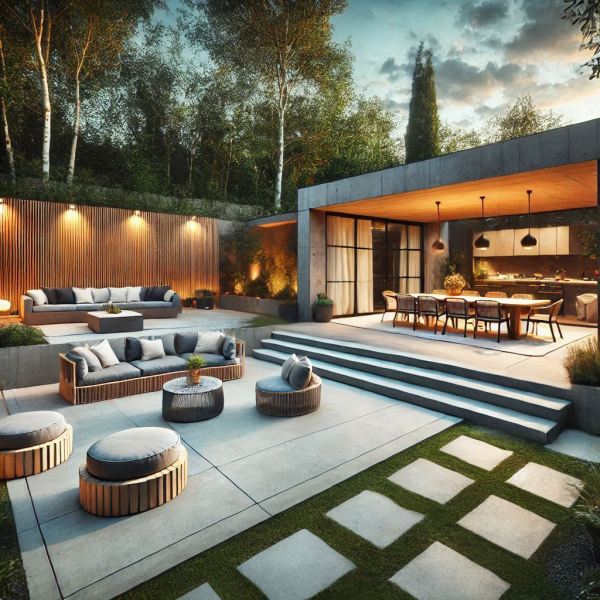
A best patio roof does not exist – choosing which roof will work best depends solely on your climate conditions, budget, and preferences. Polycarbonate panels should be used by most homeowners as they provide the best compromise between different criteria – they are almost indestructible, let the sunlight pass through (making sure that the adjacent rooms are bright), protect from UV rays, and are way cheaper than glass.
Aluminum roofs are a good choice when you need low maintenance – it is rustproof, lightweight, reflective (thus keeping the space cool), although it makes noise when it rains, and you would better choose insulated panels for this type of material.
For providing maximum shade and heat protection, insulated solid panels and shingled roofs which are framed to fit your house are the best choice, however, they do not let any daylight in.
For small patios and airy feeling, slatted and louvered roofs are recommended – louvers allow regulating the amount of sun or rain passing through, however, they are more expensive and contain movable parts. When you have tight budget, fabric awnings and open pergolas are a good choice only for creating shade, however, not for rain protection.
Concrete Patio Cost Calculator
Calculate material and labor costs for your outdoor project in seconds.
The "best" patio roof is subjective and depends entirely on your specific needs, budget, aesthetic preferences, and climate. There isn't one single material or style that universally reigns supreme.
Which Patio Roof is Best? Understanding Your Options
Choosing the right patio roof is a crucial decision that impacts the functionality, comfort, and appearance of your outdoor space. To determine the "best" option for you, consider the following factors and the characteristics of different patio roof types:
Key Factors to Consider:
- Budget: Costs vary significantly between materials and construction complexity.
- Climate: Consider sun exposure, rainfall, wind, and potential snow loads in your area.
- Desired Shade/Protection Level: Do you want full shade, partial sunlight, or protection from rain?
- Aesthetics: The roof should complement your home's architectural style.
- Maintenance: Some materials require more upkeep than others.
- Durability and Longevity: How long do you expect the roof to last?
- Light Transmission: Do you want natural light to filter through?
- Noise: Some materials can be noisy during rain.
- Building Codes and Regulations: Ensure your chosen roof complies with local requirements.
Popular Patio Roof Types and Their Pros & Cons:
- Solid Roof Covers (Metal, Wood, Vinyl, Polycarbonate):
- Pros: Complete protection from sun and rain, increased usable outdoor space, can increase home value, potential for insulation.
- Cons: Can be more expensive, may block natural light into adjacent rooms, can restrict airflow if not designed well.
- Pergolas (Wood or Metal with Open Lattice):
- Pros: Offers partial shade, aesthetically pleasing, can support climbing plants, defines outdoor space.
- Cons: Limited protection from sun and rain, may require additional shading (e.g., shade cloths), wood requires regular maintenance.
- Retractable Awnings (Fabric or Metal):
- Pros: Flexible shade control, can be retracted to enjoy sunlight, various styles and colors available, space-saving when retracted.
- Cons: Less durable than permanent structures, fabric awnings may require more frequent cleaning or replacement, limited protection in strong winds or heavy rain.
- Sail Shades (Fabric):
- Pros: Modern and stylish look, relatively inexpensive, easy to install, provides good sun protection.
- Cons: Limited rain protection, may require multiple anchor points, lifespan can be shorter than permanent structures.
- Insulated Panels (Various Materials with Insulated Core):
- Pros: Excellent temperature control (cooler in summer, warmer in winter), noise reduction, durable, can create a true outdoor room feel.
- Cons: Can be more expensive upfront.
- Glass or Polycarbonate Panels (Solid or Louvered):
- Pros: Allows natural light transmission, protection from rain, modern aesthetic (especially glass), louvered options offer adjustable light and ventilation.
- Cons: Can get hot underneath in direct sun (unless tinted or insulated), glass requires more cleaning, polycarbonate can yellow over time.
Conclusion: Choosing What's Best for You
The best patio roof isn't a universal answer. It's the one that best aligns with your individual needs and priorities. By carefully considering the factors outlined above and weighing the pros and cons of different roof types, you can make an informed decision and create a patio space you'll enjoy for years to come.