Buttresses, whether structural elements of a building or large tree roots, present unique challenges and opportunities in garden design. The key is to integrate them seamlessly, turning what might seem like an obstruction into a feature.
Here's how to design a garden around buttresses, incorporating design, patio, and gardening considerations:
I. Design Principles for Buttressed Areas
The overarching goal is to create visual harmony and flow, rather than making the buttresses feel like isolated obstacles.
-
Embrace Them as Architectural Features:
- Highlight, Don't Hide: Instead of trying to conceal buttresses, treat them as sculptural elements. Their strong lines and materials can be a foundation for your design.
- Complementary Materials: Choose paving, walling, or decorative elements that complement the material of the buttresses (e.g., stone, brick, concrete).
- Lighting: Strategically placed uplighting can dramatically highlight the buttresses at night, casting interesting shadows and emphasizing their architectural form.
-
Create Flow and Connection:
- Curved Pathways: Straight paths can feel rigid and highlight the abruptness of buttresses. Introduce gentle curves in pathways and planting beds to soften the lines and guide the eye around them.
- Varying Heights: Use plants of different heights to create visual interest and lead the eye up and around the buttresses. Taller plants near the buttresses can help them feel more integrated.
- Repetition: Repeat certain plant types, colors, or materials around and between the buttresses to create a sense of unity and rhythm.
-
Consider Scale and Proportion:
- Balance: If the buttresses are massive, avoid tiny, delicate plants that would be overwhelmed. Opt for plants with a strong presence but that won't completely obscure the buttress.
- Verticality: Buttresses are inherently vertical. Mirror this with vertical elements in your planting, such as tall, slender trees, columnar shrubs, or climbing plants on trellises.
-
Manage Microclimates:
- Buttresses can create shaded areas, wind tunnels, or areas that retain heat. Observe how light and wind interact with them throughout the day and year.
- Shade-loving plants: For perpetually shaded areas, choose plants that thrive in low light (e.g., hostas, ferns, impatiens).
- Drought-tolerant plants: Areas protected from rain might be drier, requiring plants that can handle less water.
II. Patio Design Around Buttresses
Integrating buttresses into your patio design requires careful planning to maximize usable space and maintain aesthetics.
-
Work with the Indentations:
- Built-in Seating: The recesses created by buttresses are perfect for built-in benches or banquette seating. This maximizes space and creates cozy "nooks."
- Planter Boxes: Design custom planter boxes or raised beds that fit snugly into the spaces between buttresses, creating a seamless transition from hardscape to softscape.
- Water Features/Sculpture: A small, self-contained water feature or a striking sculpture can be placed within the indentation, turning it into a focal point.
-
Paving Patterns:
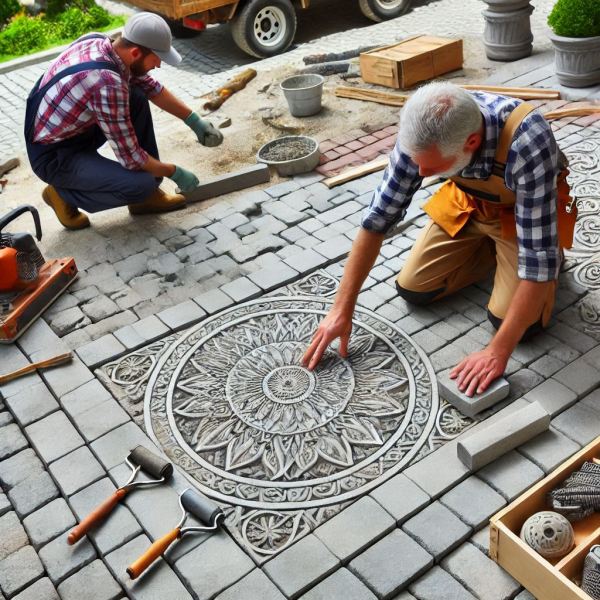
- Curved or Irregular Edges: Instead of strictly straight patio edges, consider curving the paving to flow around the buttresses, creating a softer, more organic feel.
- Contrasting Materials: Use a different paving material or a contrasting color of pavers directly around the buttresses to define them as a feature.
- Joints: Pay attention to how paving joints meet the buttresses. Precision cuts will make the installation look professional and intentional.
-
Furniture Placement:
- Arrange furniture to define different zones on the patio while acknowledging the buttresses. For example, a dining area might be situated in one open section, while lounge chairs tuck into a more secluded spot.
- Consider movable furniture that can be easily rearranged to adapt to different uses or to accommodate the architectural elements.
III. Gardening Around Buttresses
This is where the buttresses truly become part of the living landscape.
-
Plant Selection (Key Considerations):
- Root Systems: For tree buttresses, be extremely cautious about disturbing large roots. Choose plants with shallow, non-aggressive root systems. Ground covers, ferns, and smaller perennials are often good choices.
- Light Requirements: As mentioned, assess sun exposure in the buttress shadows.
- Soil Drainage: Areas around structures can have compacted or poorly draining soil. Amend the soil as needed or consider raised beds or containers if drainage is an issue.
- Size at Maturity: Select plants that won't overcrowd or completely hide the buttress when they reach their full size.
-
Specific Planting Ideas:
- Vertical Greenery:
- Vines: Train climbing vines (e.g., clematis, climbing roses, ivy where non-invasive) directly on the buttress itself (if the material is suitable and won't be damaged by rootlets) or on a trellis installed slightly in front of it.
- Espaliered Fruit Trees/Shrubs: For a formal look, espalier fruit trees or ornamental shrubs against the buttress face.
- Ground Covers: Plant low-growing ground covers (e.g., creeping thyme, sedum, mondo grass, ajuga) directly at the base of the buttress to soften the transition to the ground.
- Container Gardening: If ground planting is difficult due to roots or hardscape, place attractive pots and planters around and in the recesses of the buttresses. This allows for flexibility and easy plant rotation.
- Layered Planting: Create layers of plants, with shorter plants in the foreground, medium-sized shrubs in the middle, and taller, more architectural plants near or behind the buttresses.
- Textural Contrast: Play with foliage textures. The smooth, hard surface of a buttress can be beautifully contrasted with soft, feathery grasses or broad-leaved hostas.
- Color Accents: Use vibrant flowers or colorful foliage to draw attention to the planted areas around the buttresses, making them pop.
- Vertical Greenery:
-
Maintenance:
- Ensure easy access for watering, pruning, and general maintenance around the buttresses, especially if plants are tightly tucked in.
- Consider irrigation systems for consistent watering, especially in areas that might be dry.
By thoughtfully integrating buttresses into your garden design, you can create a unique, functional, and aesthetically pleasing outdoor space that celebrates these distinctive features.