06/05/2025 5:03 pm
Topic starter
Notifications
Clear all
ASK ANY QUESTION RELATING TO BUILDING CONSTRUCTION
0
Posts
1
Users
0
Reactions
1,289
Views
0

For a standard patio, concrete is generally cheaper upfront compared to using pavers. However, the long-term costs and other factors can make the decision more nuanced.
Here's a table comparing poured concrete and pavers for a patio:
Here's a breakdown:
Is it Cheaper to Pour a Concrete Patio or Use Pavers? A Cost and Benefit Analysis
Deciding between a poured concrete patio and one made of individual pavers involves weighing several factors, with initial cost being a primary concern for many. Let's delve into a comparison:
Upfront Cost:
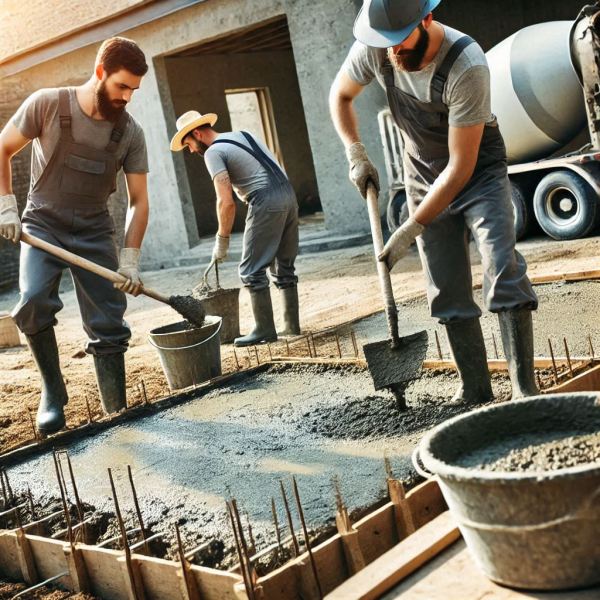
- Concrete: Typically, the initial cost of pouring a concrete patio is lower than installing pavers. The average cost for a basic concrete patio ranges from $4 to $15 per square foot for professional installation. This includes the cost of the concrete mix, labor for pouring and finishing. Decorative options like stamping or staining will increase this price.
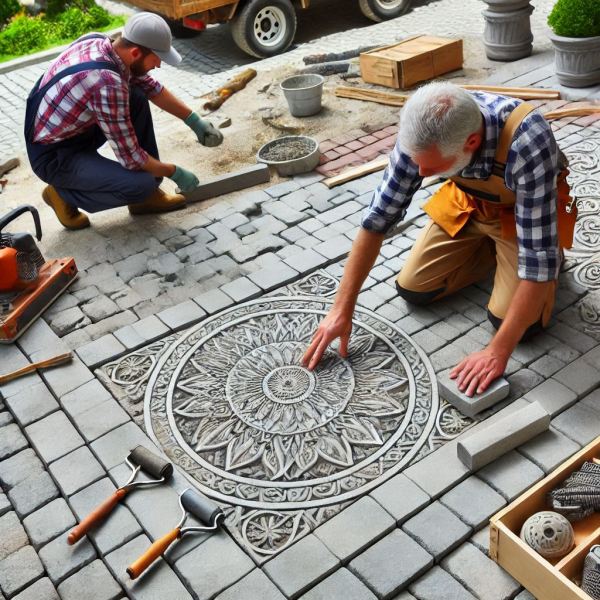
- Pavers: Pavers, whether made of concrete, brick, or natural stone, generally have a higher material cost than plain concrete. Additionally, the labor involved in laying individual pavers, which includes preparing the base and setting each paver, is usually more intensive and thus more expensive. The average cost for a paver patio installation ranges from $10 to $30 per square foot, depending on the type of paver and complexity of the design.
In terms of initial investment, concrete is usually the more budget-friendly option.
Long-Term Costs and Benefits:
While concrete might be cheaper initially, considering the long-term aspects can shift the equation:
- Durability and Lifespan: Both concrete and paver patios can last for many years (30-50+ for concrete, 25-75+ for pavers) when properly installed and maintained. However, pavers, especially interlocking ones, offer more flexibility and are less prone to cracking due to ground movement and temperature changes.
- Repairs: If a concrete patio cracks, repairs can be noticeable and sometimes require resurfacing or significant patching. With pavers, individual damaged units can be easily replaced without affecting the entire patio, potentially leading to lower long-term repair costs.
- Maintenance: Concrete requires periodic cleaning and sealing to prevent staining and cracking. Pavers need regular sweeping and occasional refilling of joint sand to prevent weeds and maintain stability. Both require relatively low maintenance overall.
- Aesthetics and Design: Pavers offer a wider variety of colors, shapes, patterns, and textures, providing greater design flexibility and a potentially more upscale look. While concrete can be decorative with stamping and staining, the customization options are generally more limited.
- Permeability: Paver patios, with sand-filled joints, allow for better water drainage compared to a solid concrete slab, which can be beneficial for managing runoff.
- Property Value: Both can increase property value, but a well-designed paver patio might offer a slightly higher return due to its aesthetic appeal and perceived higher quality.
Conclusion:
For homeowners primarily focused on the lowest upfront cost, a poured concrete patio is typically the cheaper option. However, if you prioritize longevity, ease of repair, design flexibility, and potentially higher property value, pavers can be a worthwhile investment despite the higher initial cost.
Ultimately, the best choice depends on your budget, aesthetic preferences, the expected lifespan of your patio, and your tolerance for potential cracking and repairs. Getting quotes from local contractors for both options will provide the most accurate cost comparison for your specific project.