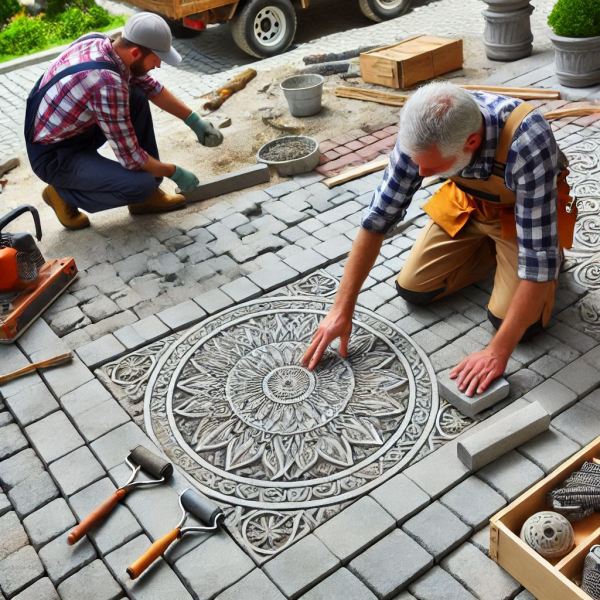
Yes, you can lay patio pavers without cementing them down. In fact, most paver patios are installed using a dry-lay method, which involves placing pavers on a bed of sand and securing them with edge restraints.
This method is not only cost-effective but also allows for flexibility, easy repairs, and proper drainage. However, the success of this approach depends on proper preparation and installation techniques.
Can You Lay Patio Pavers Without Cementing Them Down? – A Detailed Guide
When planning a paver patio, one of the most common questions is whether you need to use cement to secure the pavers. The good news is that cement is not always necessary.
The dry-lay method is a popular and effective way to install pavers without cement, offering several advantages. This article explains how to lay patio pavers without cement, the benefits of this method, and when cement might still be necessary.
1. What Is the Dry-Lay Method for Paver Installation?
The dry-lay method involves laying pavers on a bed of sand rather than cement. Here’s how it works:
-
Prepare the Base: Excavate the area and create a stable base using crushed stone or gravel.
-
Add a Bedding Layer: Spread a layer of coarse sand over the base to create a smooth, level surface.
-
Lay the Pavers: Place the pavers on the sand in your desired pattern.
-
Secure the Edges: Install edge restraints to keep the pavers from shifting.
-
Fill the Joints: Sweep fine sand or polymeric sand into the joints to lock the pavers in place.
2. Benefits of Laying Pavers Without Cement
Using the dry-lay method offers several advantages:
a. Flexibility
-
Pavers can shift slightly without cracking, making them ideal for areas with freeze-thaw cycles.
b. Easy Repairs
-
Individual pavers can be easily removed and replaced if damaged.
c. Proper Drainage
-
The sand base and joints allow water to drain through, preventing pooling and erosion.
d. Cost-Effectiveness
-
Eliminating cement reduces material and labor costs.
e. DIY-Friendly
-
The dry-lay method is easier for homeowners to tackle as a DIY project.
3. When Should You Use Cement for Pavers?
While the dry-lay method works well for most patios, there are situations where cement might be necessary:
a. High-Traffic Areas
-
For driveways or heavily used walkways, cementing pavers can provide extra stability.
b. Steep Slopes
-
Cement helps prevent pavers from shifting on sloped surfaces.
c. Permanent Installations
-
If you want a long-lasting, rigid surface, cement may be the better option.
4. Steps to Lay Pavers Without Cement
Here’s a step-by-step guide to installing a patio using the dry-lay method:
Step 1: Plan and Measure
-
Determine the size and shape of your patio.
-
Calculate the number of pavers and materials needed.
Step 2: Prepare the Base
-
Excavate the area to a depth of 6–8 inches.
-
Add a 4–6 inch layer of crushed stone or gravel and compact it.
Step 3: Add the Bedding Layer
-
Spread a 1–2 inch layer of coarse sand over the base.
-
Use a screed board to level the sand.
Step 4: Lay the Pavers
-
Start from one corner and work your way out, placing pavers in your desired pattern.
-
Use a rubber mallet to tap pavers into place and ensure they are level.
Step 5: Install Edge Restraints
-
Secure plastic, metal, or concrete edging around the perimeter to prevent shifting.
Step 6: Fill the Joints
-
Sweep fine sand or polymeric sand into the joints between pavers.
-
Compact the pavers with a plate compactor to settle the sand.
5. Tips for a Successful Dry-Lay Paver Patio
-
Choose the Right Sand: Use coarse, sharp sand for the bedding layer and polymeric sand for the joints.
-
Compact the Base: A well-compacted base prevents sinking and shifting over time.
-
Use Edge Restraints: These are essential for keeping pavers in place.
-
Check for Level: Regularly check the level of the pavers as you install them.
6. Maintenance for a Cement-Free Paver Patio
Maintaining a dry-lay paver patio is simple:
-
Sweep Regularly: Remove debris to prevent weeds and moss growth.
-
Replenish Sand: Add more jointing sand as needed to keep pavers locked in place.
-
Seal the Pavers: Apply a sealer every 2–3 years to protect against stains and weathering.
7. Conclusion: Is the Dry-Lay Method Right for You?
Laying patio pavers without cement is a practical and cost-effective solution for most outdoor projects. The dry-lay method offers flexibility, easy repairs, and proper drainage, making it ideal for patios, walkways, and other low- to medium-traffic areas.
However, for high-traffic or sloped surfaces, cementing the pavers may be necessary.
By following the steps and tips outlined in this guide, you can create a beautiful and durable paver patio without the need for cement.
Key Takeaways
-
You can lay patio pavers without cement using the dry-lay method.
-
The dry-lay method involves a sand base, edge restraints, and jointing sand.
-
Benefits include flexibility, easy repairs, proper drainage, and cost savings.
-
Cement may be necessary for high-traffic areas, steep slopes, or permanent installations.
-
Proper preparation, including a compacted base and edge restraints, is key to success.
-
Regular maintenance, like sweeping and replenishing sand, keeps the patio in top condition.
By choosing the right method for your project, you can enjoy a stunning and functional paver patio for years to come.
Showing Our popular Articles