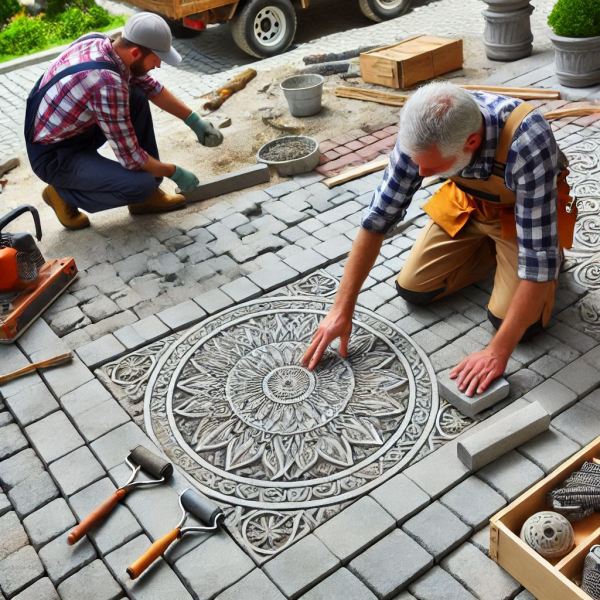
No and Yes, you can use sand under pavers, but it's important to use the right kind of sand and prepare the base properly to ensure a stable and long-lasting surface.
Using Sand Under Pavers
When laying pavers, the foundation plays a crucial role in the durability and stability of the finished surface. Sand is a popular choice for the base material because it offers a level, compactable surface for the pavers to rest on. However, not just any type of sand will do.
Types of Sand
-
Concrete Sand: This coarse sand provides excellent drainage and compacts well, making it ideal for the base layer under pavers.
-
Mason Sand: Finer than concrete sand, mason sand can be used for the top bedding layer but should be combined with a coarser material for the base.
-
Paver Sand: Specifically designed for paver projects, this type of sand is often used for both the base and bedding layers.
Step-by-Step Process
-
Excavate the Area: Start by digging out the area where the pavers will be placed, ensuring the depth is appropriate for the type of paver and base material you’re using.
-
Add a Base Material: Typically, a layer of crushed stone or gravel is added first. This layer should be about 4-6 inches deep and compacted thoroughly.
-
Add a Layer of Sand: Spread a 1-inch layer of concrete or paver sand over the base material. Use a screed board to level it out.
-
Lay the Pavers: Place the pavers on top of the sand, starting at one corner and working your way out. Be sure to keep them straight and tightly spaced.
-
Compact the Pavers: Use a plate compactor to press the pavers into the sand, ensuring a solid fit.
-
Sweep More Sand Into Joints: After compacting, spread more sand over the surface and sweep it into the joints between the pavers. This locks them in place and prevents movement.
-
Water the Surface: Lightly water the area to help settle the sand into the joints, and then compact again if needed.
Benefits of Using Sand
-
Easy to Work With: Sand is relatively easy to spread and level, making it a user-friendly option for DIY projects.
-
Cost-Effective: Sand is generally affordable, reducing the overall cost of the paving project.
-
Good Drainage: Sand allows water to pass through, preventing puddles and helping to maintain the integrity of the paver base.
Potential Drawbacks
-
Weed Growth: Sand can be a breeding ground for weeds if not properly maintained. Using a weed barrier or polymeric sand can help mitigate this issue.
-
Shifting and Settling: Over time, sand can shift and settle, causing the pavers to become uneven. Regular maintenance and proper installation techniques can minimize this risk.
Conclusion
Using sand under pavers is a common and effective method, but it's important to use the right type of sand and follow proper installation procedures to ensure a durable and attractive surface.
By taking the time to prepare the base correctly, you can create a patio, walkway, or driveway that will stand the test of time.